
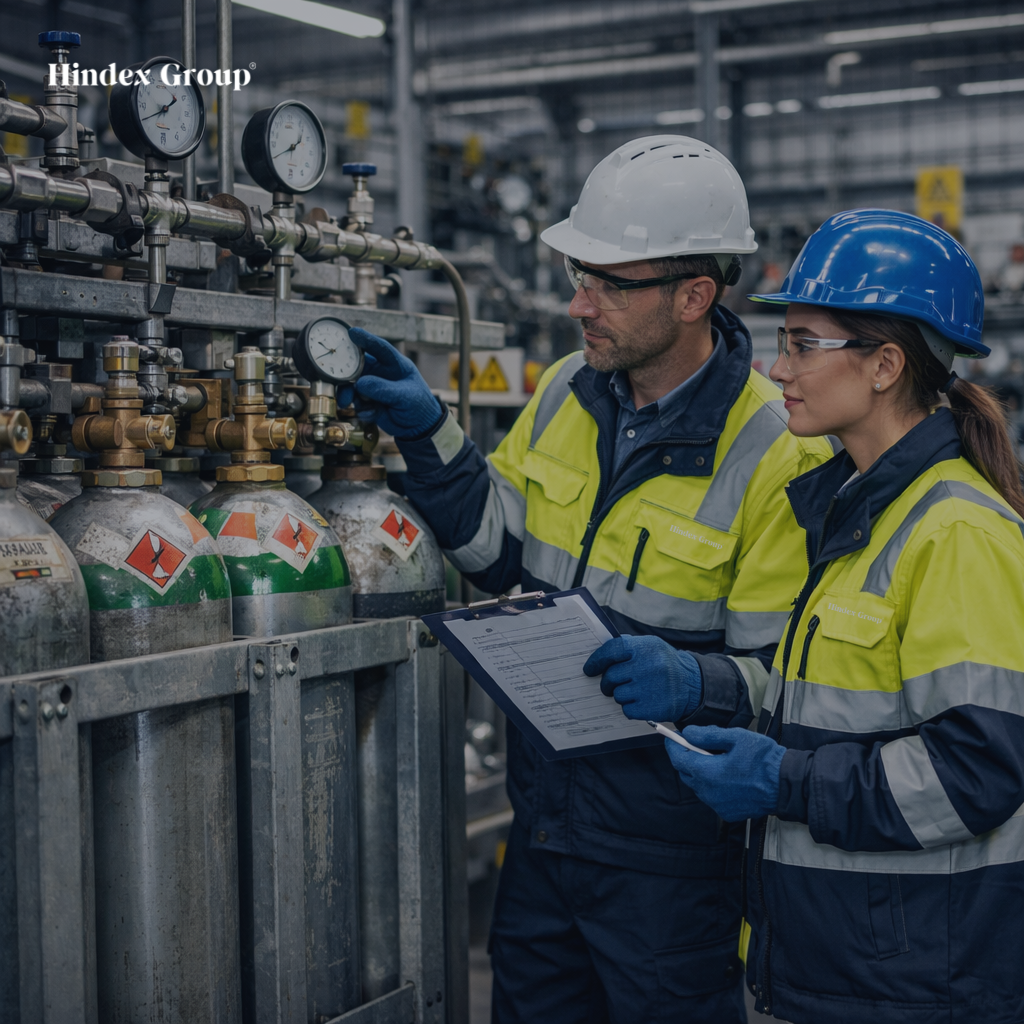
Industrial gases play a critical role in modern manufacturing processes, supporting industries such as metal fabrication, chemical production, electronics manufacturing, food processing, and healthcare. While these gases enable efficient industrial operations, they must be handled, stored, and transported according to strict safety standards to prevent accidents and ensure safe working environments.
Manufacturing facilities frequently use gases such as oxygen, nitrogen, argon, carbon dioxide, hydrogen, and helium under high pressure. Improper handling of these gases can create serious risks including gas leaks, pressure hazards, and workplace accidents. For this reason, industrial gas safety standards are essential for protecting employees, maintaining safe facilities, and ensuring reliable manufacturing operations.
According to industry reports, workplace safety requirements in manufacturing environments have become increasingly important as industrial gas usage continues to grow across global industries.
As a global industrial gas manufacturer and supply partner, Hindex Group supports industrial clients and distributors through reliable gas manufacturing and coordinated supply networks. Businesses seeking dependable gas solutions can explore available services at HindexGroup.com.
Table of Contents
-
Why Industrial Gas Safety Matters
-
Common Industrial Gas Safety Standards
-
Safe Handling of Gas Cylinders
-
Industrial Gas Storage and Transportation
-
Training and Safety Awareness
-
Industrial Gas Safety Across Europe
-
Role of Reliable Industrial Gas Suppliers
-
Frequently Asked Questions
Why Industrial Gas Safety Matters
Industrial gases are commonly stored under high pressure or in cryogenic conditions, meaning they must be handled carefully. Without proper safety procedures, gas cylinders and storage systems can pose significant risks in manufacturing environments.
Potential safety risks include:
-
Gas leaks and exposure hazards
-
High-pressure cylinder accidents
-
Improper storage conditions
-
Fire and explosion risks
-
Equipment damage or failure
Proper safety procedures not only prevent workplace accidents but also protect manufacturing equipment and ensure uninterrupted production operations.
Implementing strong safety practices helps maintain safe industrial workplaces and efficient manufacturing systems.
Common Industrial Gas Safety Standards
Industrial gas manufacturers and suppliers follow internationally recognized safety standards to ensure proper gas handling and distribution.
These standards often include:
-
ISO industrial safety standards
-
OSHA workplace safety regulations
-
Compressed gas safety guidelines
-
Cylinder inspection and testing procedures
-
Safe transportation and storage regulations
Following these standards ensures that industrial gases are produced, stored, and delivered safely across manufacturing supply chains.
Safe Handling of Gas Cylinders
Gas cylinders are one of the most common methods used for storing and transporting industrial gases. Proper handling procedures are essential to maintain safe working conditions.
Important handling guidelines include:
-
Storing cylinders in an upright and secured position
-
Inspecting valves, regulators, and pressure gauges regularly
-
Using proper lifting and transportation equipment
-
Avoiding exposure to extreme temperatures or physical damage
-
Maintaining clear labeling and identification
Regular inspection of cylinders, regulators, and pressure systems helps identify potential issues before they lead to safety incidents.
Employee training and proper safety procedures help ensure safe cylinder handling in manufacturing facilities.
Industrial Gas Storage and Transportation
Industrial gases must be stored and transported under controlled conditions to maintain safety and operational reliability.
Safe storage practices include:
-
Storing cylinders in well-ventilated areas
-
Separating incompatible gases where required
-
Monitoring pressure and temperature levels
-
Maintaining clear labeling and safety identification
Proper storage and transportation procedures are essential components of industrial gas safety management in manufacturing environments.
Reliable gas suppliers maintain specialized logistics networks designed to transport gases safely to industrial customers.
Many manufacturing facilities also rely on specialized technical gas solutions to maintain safe and controlled production environments.
Training and Safety Awareness
Employee training plays a critical role in maintaining industrial gas safety. Workers handling gas cylinders and industrial equipment must understand proper safety procedures and emergency response protocols.
Effective training programs often include:
-
Safe cylinder handling practices
-
Emergency response procedures
-
Equipment inspection and maintenance
-
Hazard awareness and risk prevention
Emergency response procedures should also be clearly defined so employees know how to respond quickly in the event of gas leaks or equipment failures.
Regular training programs help reduce workplace risks and ensure compliance with industrial safety standards.
Industrial Gas Safety Across Europe
Industrial safety regulations vary across regions, but many European countries maintain strict safety standards for gas handling and industrial operations.
Germany continues to lead industrial production where Industriegase Deutschland and Technische Gase Deutschland supply networks support advanced manufacturing industries operating under strong safety regulations.
In France, industries rely on reliable Gaz industriels France supply networks provided by experienced Fournisseur de gaz industriels partners supporting regulated industrial operations.
Italy’s manufacturing sector also depends on reliable Gas industriali Italia supply systems managed by trusted Fornitore di gas industriali partners supporting safe industrial production.
These safety frameworks help ensure that industrial gas supply systems operate safely across European manufacturing sectors.
Role of Reliable Industrial Gas Suppliers
Industrial gas suppliers play a critical role in maintaining safe supply systems for manufacturing environments.
Reliable suppliers focus on:
-
Consistent gas quality and purity
-
Safe manufacturing and production processes
-
Secure storage and distribution infrastructure
-
Compliance with international safety regulations
Through its manufacturing capabilities and coordinated supply networks, Hindex Group works with distributors and industrial partners to support safe and reliable gas supply systems across multiple industries.
Businesses looking to expand their gas distribution operations may also explore private label gas supply programs
offered by experienced manufacturers.
Companies seeking dependable industrial gas supply partnerships can explore available solutions or contact the team to discuss operational requirements.
Supporting Safe Manufacturing Environments
Industrial gas safety standards are essential for maintaining safe manufacturing environments and preventing workplace incidents. As industrial sectors expand and production technologies evolve, safe gas handling and distribution will remain a critical component of modern manufacturing operations.
By following strict safety procedures and working with reliable supply partners, manufacturing companies can maintain efficient production while protecting employees and facilities.
As global manufacturing industries continue to expand, dependable industrial gas manufacturers and supply partners will remain essential in supporting safe, efficient, and sustainable industrial operations.
Businesses seeking reliable gas supply partnerships can explore solutions offered by Hindex Group or contact the team through HindexGroup.com.
Frequently Asked Questions
Why are industrial gas safety standards important?
Industrial gas safety standards help prevent accidents, ensure safe gas handling, and protect workers and industrial facilities.
What are common industrial gas safety practices?
Proper cylinder storage, equipment inspection, pressure monitoring, and compliance with safety regulations are essential safety practices.
Who is responsible for industrial gas safety?
Both gas suppliers and manufacturing facilities share responsibility for maintaining safe handling procedures and operational safety.

